
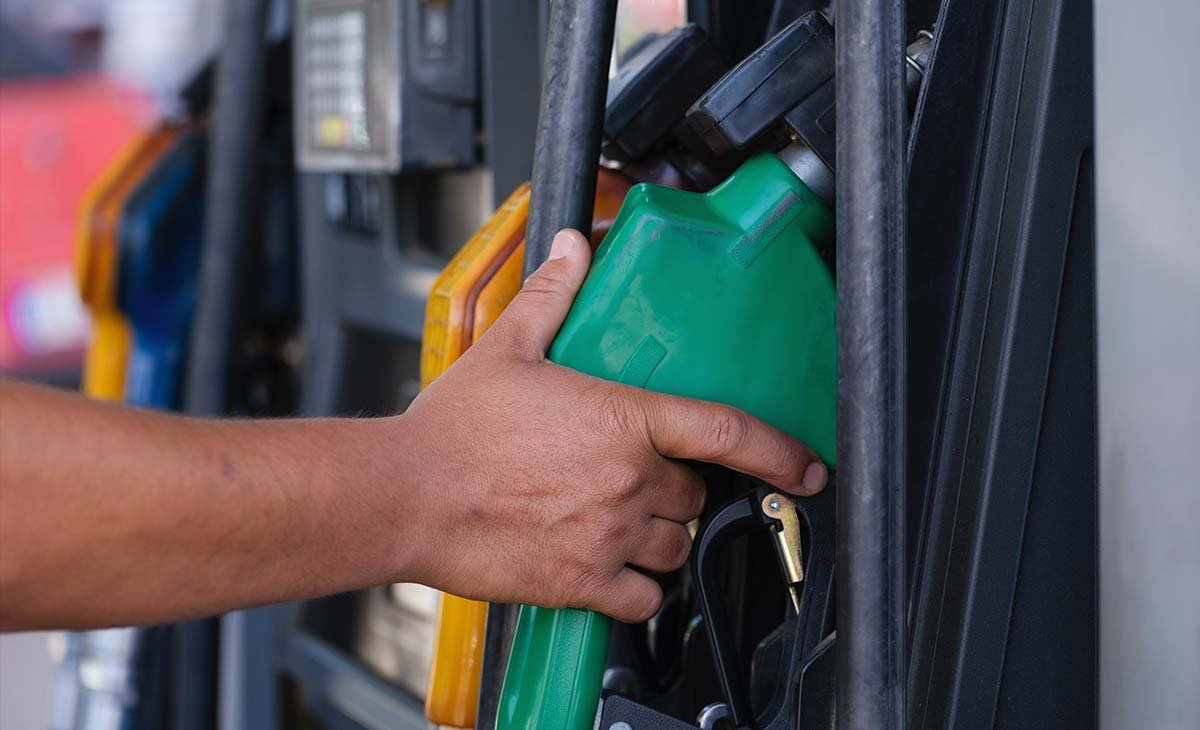
When the Federal Government announced the removal of fuel subsidy in mid-2023, it instantly became one of the most talked-about decisions in Nigeria’s recent history. Overnight, petrol prices tripled. Transportation costs soared. Markets reacted sharply. And across the country—from Lagos to Kano, from Warri to Abuja—Nigerians felt the effect in their daily lives.
But the story didn’t end with hardship. By early 2024, Nigerians had begun to adapt in creative ways that reflected the country’s resilience.
Transport unions introduced ride-sharing systems to reduce individual costs. More commuters embraced buses, BRTs, and even bicycles in some cities. Small businesses adjusted their pricing models, while many households turned to solar power, inverters, and alternative energy to cut reliance on petrol generators.
Tech startups also saw an opportunity. New apps emerged to track fuel prices across different stations, helping drivers find the most affordable options. Logistics companies redesigned their routes to reduce fuel consumption. In rural areas, farmers organized cooperative transport services to move their produce at lower costs.
Economists agree that the subsidy removal was painful but necessary for long-term growth. The government promised relief programs, though implementation remained slow. Yet, despite the challenges, the period between 2023 and 2024 highlighted something important: Nigerians may struggle, but they always find a way to adapt, innovate, and push forward.
As the country continues adjusting, experts believe that 2024 will shape whether the reform becomes a turning point or a temporary disruption.
Comments (0)
No comments yet. Be the first to comment!